Buy sybille.eu ?
We are moving the project
sybille.eu .
Are you interested in purchasing the domain
sybille.eu ?
domain@kv-gmbh.de · 0541-91531010
Buy sybille.eu ?
What is covalent development?
Covalent development is a term used in the context of software development to describe a collaborative approach to building and maintaining software. It involves multiple developers working together on the same codebase, using version control systems to manage changes and updates. Covalent development emphasizes communication, teamwork, and shared responsibility for the code, leading to a more efficient and cohesive development process. This approach allows for greater flexibility and adaptability in responding to changes and challenges in the development process. **
What are covalent bonds?
Covalent bonds are a type of chemical bond formed between two atoms when they share one or more pairs of electrons. This sharing of electrons allows both atoms to achieve a more stable electron configuration, typically by filling their outermost energy levels. Covalent bonds are typically found in molecules and are responsible for holding the atoms together to form the structure of the molecule. These bonds can be either polar, where the shared electrons are not equally distributed between the atoms, or nonpolar, where the shared electrons are equally distributed. **


Similar search terms for Covalent
Top-Angebote
Products related to Covalent:
-
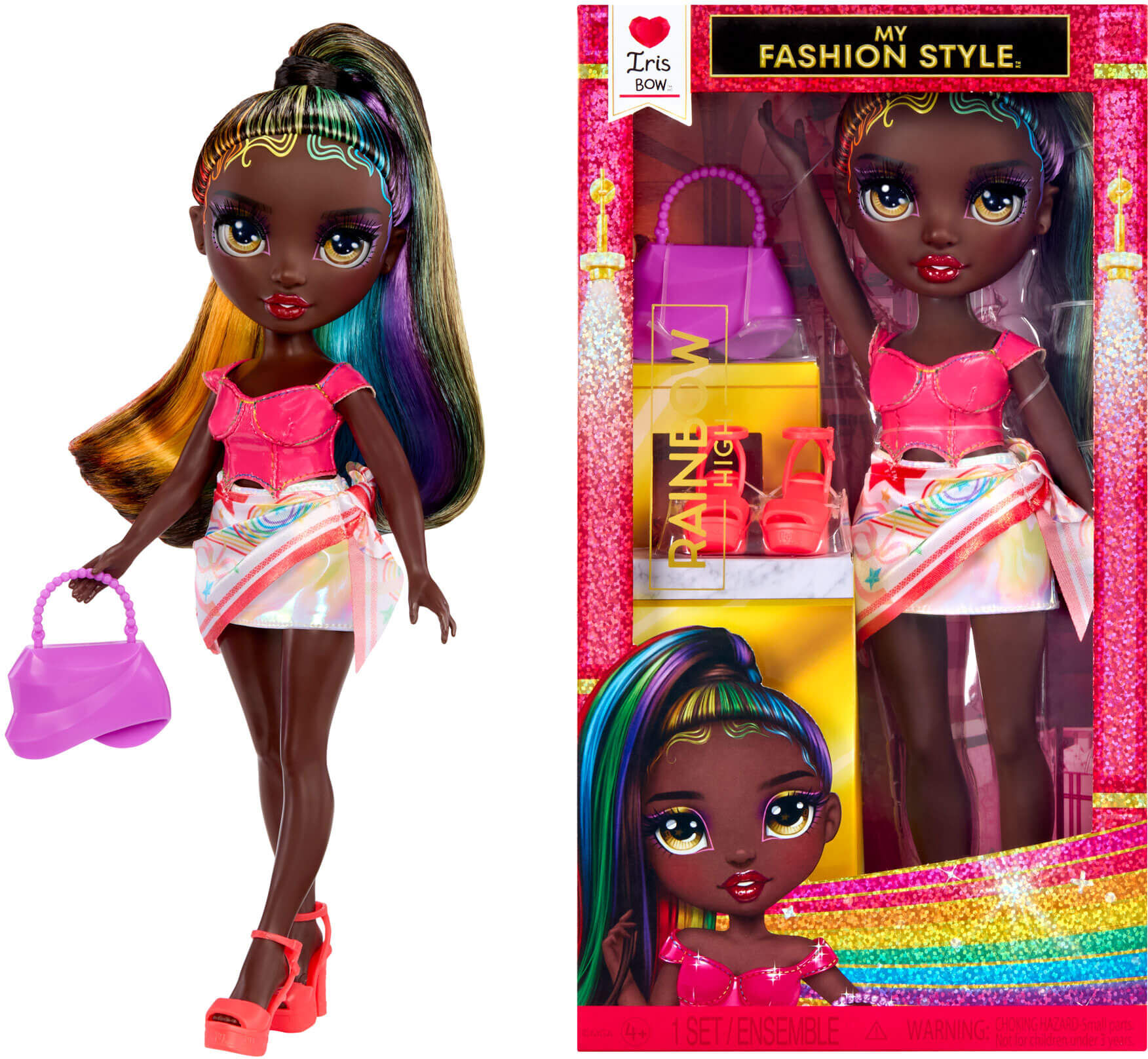
Rainbow High My Fashion Style Iris 11-Inch Fashion Doll with Red Outfit and Accessories for KidsBring bold colour and imaginative storytelling to playtime with Rainbow High's My Fashion Style Iris. This 11-inch fashion doll features Iris's rainbow-highlighted high ponytail and a bright statement outfit, perfect for styling adventures, friendship stories, and display. Key features include an articulated design that allows Iris to stand, sit, and strike different poses, as well as detailed features like long eyelashes, glass-effect eyes, and rainbow hair highlights. The doll comes dressed in a red top with a colourful satin scarf and wrap-style skirt, and includes coordinating shoes and a handbag. Outfits can be mixed and matched with other dolls from the My Fashion Style range. The set contains one Rainbow High Iris fashion doll, one complete outfit, shoes, and a handbag. Iris measures 11 inches tall and is suitable for children aged four years and over.16,69 £*Shipping: 3,95 £Secure redirect to the provider
-
Multicon Wholesale Hub Cigar Glass On Top Cups Drinkware Glass For Whiskey, Tiki Fashion Tumbler Accessories, Crystal Design Cigar Glass On Top Cups Drinkware Glass For Whiskey, Tiki Fashion Tumbler Accessories, Crystal DesignElevate your sipping ritual with this Drinkware Glass for Whiskey, designed for those who appreciate craftsmanship, style, and indulgence in every detail. This elegant glass combines function and luxury by seamlessly pairing your favorite whiskey...79,97 $*Shipping: 0,00 $Secure redirect to the provider



-
What is a covalent bond?
A covalent bond is a type of chemical bond that involves the sharing of electron pairs between atoms. This sharing of electrons allows each atom to achieve a more stable electron configuration, typically by filling their outermost energy level. Covalent bonds are typically found in molecules and are stronger than other types of chemical bonds, such as ionic bonds. The number of shared electrons can vary, leading to different types of covalent bonds, such as single, double, or triple bonds. **
-
What is a non-covalent bond?
A non-covalent bond is a type of chemical bond that does not involve the sharing of electrons between atoms. Instead, non-covalent bonds are formed through electrostatic interactions, such as hydrogen bonding, van der Waals forces, and ion-dipole interactions. These bonds are generally weaker than covalent bonds and can be easily broken under certain conditions. **
-
What is a nonpolar covalent bond?
A nonpolar covalent bond is a type of chemical bond where two atoms share electrons equally. This occurs when the difference in electronegativity between the two atoms is very small or nonexistent. As a result, there is no separation of charge within the bond, making it nonpolar. Nonpolar covalent bonds are typically found between atoms of the same element or between atoms with similar electronegativities. **
-
Can you explain the covalent bond?
A covalent bond is a type of chemical bond that involves the sharing of electron pairs between atoms. This sharing of electrons allows each atom to achieve a full outer electron shell, making the atoms more stable. Covalent bonds are typically formed between nonmetal atoms, and the strength of the bond is determined by the number of shared electrons and the distance between the nuclei of the atoms. Covalent bonds can be either polar or nonpolar, depending on the electronegativity difference between the atoms involved. **

Why is SO4 a covalent bond?
SO4 is a covalent bond because it is formed between non-metal atoms. In the case of SO4, sulfur is a non-metal and oxygen is also a non-metal. When non-metal atoms bond together, they share electrons to form a stable outer electron configuration, which is a characteristic of covalent bonding. Additionally, the electronegativity difference between sulfur and oxygen is not large enough to form an ionic bond, further supporting the covalent nature of the SO4 bond. **
What does "covalent" mean in chemistry?
In chemistry, "covalent" refers to a type of chemical bond that involves the sharing of electron pairs between atoms. This type of bond is formed between nonmetal atoms and is characterized by the atoms sharing electrons in order to achieve a stable electron configuration. Covalent bonds are typically strong and result in the formation of molecules. **
Top-Angebote
Products related to Covalent:
-
Livabliss Artistic Weavers Sybille Traditional Area RugThe lightly distressed design of the Sybille rug suggests an ancient relic. The center medallion and border make for a truly classic piece. This rug would look timelessly lovely in any bedroom or living room.416,49 $*Shipping: 0,00 $Secure redirect to the provider
-
Rainbow High My Fashion Style Iris 11-Inch Fashion Doll with Red Outfit and Accessories for KidsBring bold colour and imaginative storytelling to playtime with Rainbow High's My Fashion Style Iris. This 11-inch fashion doll features Iris's rainbow-highlighted high ponytail and a bright statement outfit, perfect for styling adventures, friendship stories, and display. Key features include an articulated design that allows Iris to stand, sit, and strike different poses, as well as detailed features like long eyelashes, glass-effect eyes, and rainbow hair highlights. The doll comes dressed in a red top with a colourful satin scarf and wrap-style skirt, and includes coordinating shoes and a handbag. Outfits can be mixed and matched with other dolls from the My Fashion Style range. The set contains one Rainbow High Iris fashion doll, one complete outfit, shoes, and a handbag. Iris measures 11 inches tall and is suitable for children aged four years and over.16,69 £*Shipping: 3,95 £Secure redirect to the provider
-
What is covalent development?
Covalent development is a term used in the context of software development to describe a collaborative approach to building and maintaining software. It involves multiple developers working together on the same codebase, using version control systems to manage changes and updates. Covalent development emphasizes communication, teamwork, and shared responsibility for the code, leading to a more efficient and cohesive development process. This approach allows for greater flexibility and adaptability in responding to changes and challenges in the development process. **
-
What are covalent bonds?
Covalent bonds are a type of chemical bond formed between two atoms when they share one or more pairs of electrons. This sharing of electrons allows both atoms to achieve a more stable electron configuration, typically by filling their outermost energy levels. Covalent bonds are typically found in molecules and are responsible for holding the atoms together to form the structure of the molecule. These bonds can be either polar, where the shared electrons are not equally distributed between the atoms, or nonpolar, where the shared electrons are equally distributed. **
-
What is a covalent bond?
A covalent bond is a type of chemical bond that involves the sharing of electron pairs between atoms. This sharing of electrons allows each atom to achieve a more stable electron configuration, typically by filling their outermost energy level. Covalent bonds are typically found in molecules and are stronger than other types of chemical bonds, such as ionic bonds. The number of shared electrons can vary, leading to different types of covalent bonds, such as single, double, or triple bonds. **
-
What is a non-covalent bond?
A non-covalent bond is a type of chemical bond that does not involve the sharing of electrons between atoms. Instead, non-covalent bonds are formed through electrostatic interactions, such as hydrogen bonding, van der Waals forces, and ion-dipole interactions. These bonds are generally weaker than covalent bonds and can be easily broken under certain conditions. **
Similar search terms for Covalent
-
Multicon Wholesale Hub Cigar Glass On Top Cups Drinkware Glass For Whiskey, Tiki Fashion Tumbler Accessories, Crystal Design Cigar Glass On Top Cups Drinkware Glass For Whiskey, Tiki Fashion Tumbler Accessories, Crystal DesignElevate your sipping ritual with this Drinkware Glass for Whiskey, designed for those who appreciate craftsmanship, style, and indulgence in every detail. This elegant glass combines function and luxury by seamlessly pairing your favorite whiskey...79,97 $*Shipping: 0,00 $Secure redirect to the provider
-
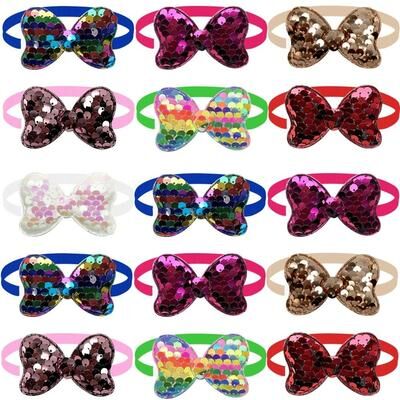
Uplift Essentials Sequin Style Pet Bow Tie Set High Fashion Grooming Accessories For Dogs & Cats (50 Piece Bulk Pack) Sequin Style Pet Bow Tie Set High Fashion Grooming Accessories For Dogs & Cats (50 Piece Bulk Pack)Elevate your pets aesthetic for any special occasion with our Professional Sequin Style Pet Bow Tie Set. Specifically engineered for highvisibility fashion and professional grooming finishes, this 50piece collection features a stunning array of...74,97 $*Shipping: 0,00 $Secure redirect to the provider
-
What is a nonpolar covalent bond?
A nonpolar covalent bond is a type of chemical bond where two atoms share electrons equally. This occurs when the difference in electronegativity between the two atoms is very small or nonexistent. As a result, there is no separation of charge within the bond, making it nonpolar. Nonpolar covalent bonds are typically found between atoms of the same element or between atoms with similar electronegativities. **
-
Can you explain the covalent bond?
A covalent bond is a type of chemical bond that involves the sharing of electron pairs between atoms. This sharing of electrons allows each atom to achieve a full outer electron shell, making the atoms more stable. Covalent bonds are typically formed between nonmetal atoms, and the strength of the bond is determined by the number of shared electrons and the distance between the nuclei of the atoms. Covalent bonds can be either polar or nonpolar, depending on the electronegativity difference between the atoms involved. **
-
Why is SO4 a covalent bond?
SO4 is a covalent bond because it is formed between non-metal atoms. In the case of SO4, sulfur is a non-metal and oxygen is also a non-metal. When non-metal atoms bond together, they share electrons to form a stable outer electron configuration, which is a characteristic of covalent bonding. Additionally, the electronegativity difference between sulfur and oxygen is not large enough to form an ionic bond, further supporting the covalent nature of the SO4 bond. **
-
What does "covalent" mean in chemistry?
In chemistry, "covalent" refers to a type of chemical bond that involves the sharing of electron pairs between atoms. This type of bond is formed between nonmetal atoms and is characterized by the atoms sharing electrons in order to achieve a stable electron configuration. Covalent bonds are typically strong and result in the formation of molecules. **
* All prices are inclusive of VAT and, if applicable, plus shipping costs. The offer information is based on the details provided by the respective shop and is updated through automated processes. Real-time updates do not occur, so deviations can occur in individual cases. ** Note: Parts of this content were created by AI.